27 Apr 2026
Hybrid Cars in Kenya 2026: Are They Actually Worth It?
Fuel is sitting above Ksh 200 per litre and showing no signs of dropping. Every time you pull into a petrol station, the number on the pump stings a little more. So it is no surprise that one of the most searched questions in Kenya right now is: should I buy a hybrid car?
The honest answer is — it depends. Hybrids are not magic. They will not cut your costs to zero and they come with trade-offs that not every Kenyan driver has thought through. But for the right buyer, in the right city, doing the right kind of driving, a hybrid can save you serious money.
At Mombasa Car Market, we stock and sell hybrid vehicles to buyers across Kenya. This is our no-fluff breakdown — what hybrids cost, how much you actually save, which models are worth buying, and who should and should not buy one.
How Does a Hybrid Car Actually Work?
A hybrid combines a petrol engine with an electric motor and a rechargeable battery. The car decides which power source to use depending on your speed and driving conditions.
In slow, stop-and-go city traffic — like Nairobi's CBD or Mombasa's Moi Avenue at rush hour — the car runs mostly on electric power, using zero petrol. When you brake, that energy is captured and stored back in the battery. When you need more power on the open road, the petrol engine takes over.
This is why hybrids make the most sense in urban Kenya — the very driving conditions most Kenyans deal with every single day.
The Real Numbers: How Much Will You Actually Save?
Here are actual fuel economy figures for the most popular hybrids in Kenya right now, and what the savings mean in Ksh every month:
- Nissan Note e-Power — 24 to 37 km/L. At 30 km/L average and Ksh 205 per litre, covering 1,500 km per month costs roughly Ksh 10,250 on fuel. A regular petrol hatchback at 15 km/L costs Ksh 20,500. That is a saving of Ksh 10,000 every month — Ksh 120,000 per year.
- Toyota Aqua — 28 to 35 km/L in city traffic. Monthly fuel savings of up to Ksh 18,000 compared to a regular petrol car.
- Honda Fit Hybrid — 22 to 36 km/L. Monthly savings of Ksh 8,000 to Ksh 12,000 depending on distance.
- Toyota Harrier Hybrid — 18 to 22 km/L. Compared to a regular SUV at 10 to 12 km/L, you save Ksh 15,000 to Ksh 20,000 per month.
- Toyota Prius — 22 to 25 km/L. Kenya's original hybrid — reliable, widely serviced, solid long-term value.
The savings are real — but only materialise fully in urban conditions. On the highway at 100 km/h, the electric motor does less work and savings reduce. City drivers benefit the most.
What Do Hybrid Cars Cost in Kenya in 2026?
Here is a realistic price guide based on current market data for verified Japanese imports:
- Toyota Aqua (2016 to 2019) — Ksh 1,200,000 to Ksh 1,800,000
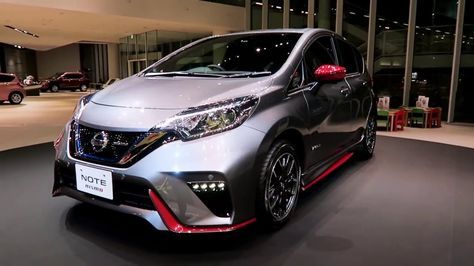
- Nissan Note e-Power (2017 to 2019) — Ksh 1,200,000 to Ksh 1,700,000
- Honda Fit Hybrid (2015 to 2018) — Ksh 1,000,000 to Ksh 1,500,000
- Toyota Prius (2015 to 2019) — Ksh 1,500,000 to Ksh 2,500,000
- Toyota Noah Hybrid — Ksh 2,800,000 to Ksh 4,000,000
- Toyota Harrier Hybrid (2017 to 2020) — Ksh 3,000,000 to Ksh 4,500,000
- Lexus RX 450h — Ksh 5,500,000 and above
Hybrids cost between Ksh 200,000 and Ksh 400,000 more than their non-hybrid equivalents. That extra cost typically pays itself back within 18 to 30 months through fuel savings — faster if you drive a lot in city traffic.
One more advantage worth knowing: the Kenya Revenue Authority charges 10% excise duty on hybrids compared to 25% on regular petrol cars. This makes hybrids more competitively priced than many buyers realise.
Who Should Buy a Hybrid in Kenya — and Who Should Not
Buy a hybrid if:
- You drive mostly in Nairobi, Mombasa, Kisumu or other urban centres with heavy traffic
- You cover more than 1,000 km per month — the more city driving, the faster you recoup the price difference
- You plan to keep the car for at least 3 years
- Fuel costs are eating a significant chunk of your monthly budget
- You want better resale value — hybrids are now fetching stronger prices in Kenya's used car market
Think carefully if:
- You mainly drive long-distance upcountry — Nairobi to Nakuru, Mombasa to Malindi — where highways reduce the hybrid advantage
- You live far from a city where specialist hybrid mechanics are not nearby
- You are on a tight budget and cannot absorb the higher upfront cost
- You regularly carry heavy loads — hybrids are not designed for heavy commercial use
What About the Hybrid Battery? The Question Everyone Asks
This is the biggest concern most Kenyan buyers raise — and it is a fair one.
A hybrid battery in a well-maintained Japanese import typically lasts 8 to 10 years or 200,000 km before it needs significant attention. Most vehicles arriving in Kenya now are 5 to 7 years old, meaning the battery still has solid life left.
When a battery does need replacing, a reconditioned unit costs Ksh 80,000 to Ksh 200,000. A brand-new OEM battery runs Ksh 250,000 to Ksh 350,000. Weigh that against Ksh 120,000 in annual fuel savings and the numbers still work in your favour.
The key is to buy from a reputable dealer who can confirm battery health before purchase. At Mombasa Car Market, all hybrid vehicles in our network are inspected before listing.
The Best Hybrid Cars to Buy in Kenya Right Now
Best budget hybrid — Nissan Note e-Power
Drives like an electric car but charges itself — no plug needed. Whisper quiet, excellent in traffic, and increasingly affordable. Our top recommendation for first-time hybrid buyers.
Best all-rounder — Toyota Aqua
Exceptional fuel economy, widely available, and well-serviced by mechanics across Kenya. The safe, proven choice for buyers who want reliability above all else.
Best hybrid SUV — Toyota Harrier Hybrid
Premium feel, strong fuel savings for an SUV, and one of the best-looking cars on Kenyan roads right now. A serious upgrade for family buyers.
Find Your Hybrid at Mombasa Car Market
We stock a regularly updated selection of verified hybrid vehicles — from the Nissan Note e-Power and Toyota Aqua to the Harrier Hybrid and Lexus RX 450h. All units are sourced fresh through Mombasa Port, inspected before listing, and available to buyers across Kenya.
Browse our current hybrid stock at www.msacarmarket.com or reach us directly:
- Call / WhatsApp: +254 757 360 543
- Email: info@msacarmarket.com
- Location: Ganjoni, Mombasa
Fuel prices are not going down. Your fuel bill can.
Frequently Asked Questions
Are hybrid cars expensive to maintain in Kenya?
Routine maintenance — oil changes, tyres, brakes — is similar to or cheaper than a regular petrol car. Hybrid brakes last longer due to regenerative braking. The main cost to plan for is eventual battery replacement (Ksh 80,000 to Ksh 350,000 depending on whether you go reconditioned or OEM), typically needed after 8 to 10 years.
Can I find a hybrid mechanic outside Nairobi and Mombasa?
This is improving but remains the biggest challenge for upcountry buyers. Nairobi and Mombasa have well-established hybrid mechanics. For buyers in Kisumu, Nakuru and Eldoret, options exist but are more limited. Factor this into your decision if you live far from a major city.
Do hybrid cars work on Kenyan roads including rough terrain?
Standard hybrid sedans and hatchbacks — Aqua, Note, Fit — are best on tarmac. For rough terrain, hybrid SUVs like the Harrier Hybrid handle upcountry conditions better. Avoid putting a city hybrid on heavily potholed roads regularly.
Is the Nissan Note e-Power a full hybrid or electric car?
It is a series hybrid — the petrol engine generates electricity which powers an electric motor that drives the wheels. It feels and drives like an electric car but never needs charging from a socket. For Kenyan city driving, it is arguably the most practical hybrid available.